When organizations start looking for the best open source MDM solutions, they often run into outdated recommendations. Imagine a regional retail chain with 1,000 Android price checkers and handheld scanners. Compliance requires all device data to remain on company-owned servers. Procurement finds commercial MDM subscriptions too expensive. The IT manager searches for “open source MDM” – only to discover roundups featuring products that were discontinued years ago.
This is not an exaggeration. Many popular lists of open source MDM tools still recommend projects that are no longer maintained or whose vendors have shut down. Others label free plans as “open source” simply because they cost nothing, even though they lack the functionality required to manage devices at scale.
This guide takes a different approach. Every project was evaluated based on its actual repository, including its license, recent releases, and development activity. We identify the solutions that are actively maintained and highlight those that have effectively reached the end of their lifecycle.
What Qualifies as an Open Source MDM?
Three key criteria separate true open source software from marketing claims.
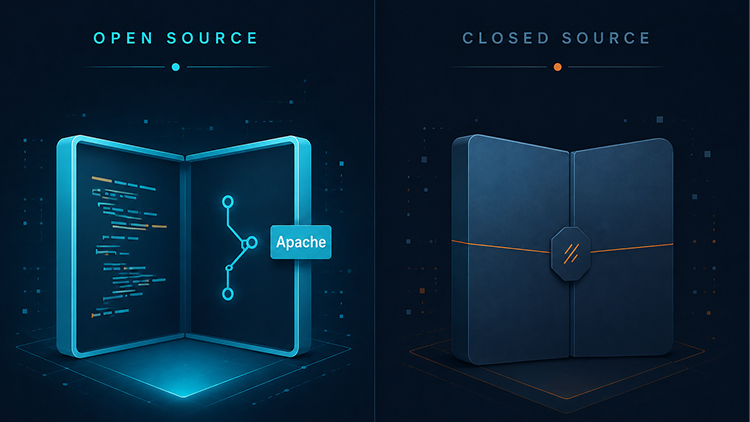
- An open source license such as Apache 2.0, MIT, GPL, or another OSI-approved license.
- Anyone can review, audit, modify, or compile the source code. For example, the Headwind MDM source code is publicly available on GitHub.
- Self-hosting capability: the software can run entirely on your own infrastructure without depending on a vendor’s licensing server.
A free pricing tier does not meet any of these criteria. For example, Miradore’s free plan and the free edition of ManageEngine are proprietary products offered at no cost. They may be useful in certain scenarios, but you cannot audit the source code, fork the project, or continue using it on your own terms if the vendor changes its licensing model.
How We Selected These Tools
Each project had to meet six criteria, verified through the project’s repository rather than its marketing website:
- An open source license and publicly available source code in a public repository.
- A fully functional free edition that can be self-hosted, allowing organizations to install the platform, enroll devices, and manage them without purchasing a license.
- Evidence of active development, including releases or meaningful commits within the last 6–12 months.
- Documentation comprehensive enough for a system administrator to install, configure, and evaluate the product without vendor assistance.
- Community engagement indicators such as GitHub stars, forks, and issue activity, demonstrating that users can access support, guidance, and ongoing project maintenance.
- Availability of commercial support and enterprise services for organizations that require professional assistance, consulting, or managed deployment options.
Headwind MDM
Headwind MDM is an open source Android device management platform. The server is a Java application running on Tomcat, while the device agent is an Android launcher operating in Device Owner mode.
The web console, Android agent, and supporting plugins are published on GitHub under the Apache 2.0 license, with more than 800 GitHub stars in total.
The Community Edition is a fully functional product that includes:
- Silent app installation
- Group-based policies
- Remote device configuration
Strengths
- Runs Entirely on Your Infrastructure – Headwind MDM supports deployments in environments without internet access. Running the platform over a local network or VPN is a documented and supported deployment scenario.
- Independent of Google Services – The platform uses its own MQTT-based communication channel for delivering commands, allowing organizations to manage devices that do not include Google Mobile Services (GMS).
- AOSP and Custom ROM Support – The Android agent can be signed with platform keys and embedded directly into a device firmware image. This approach is commonly used by hardware manufacturers and vendors of rugged Android devices.
- Active Development – The Headwind MDM team continues to actively develop, improve, and maintain the platform with regular updates and ongoing support.
Limitations
- Support of Android devices only.
- The web console is functional rather than pretty. Teams coming from polished commercial dashboards will notice.
- No Android Enterprise and Zero Touch Enrollment.
- Managed Play Store is not supported.
Best Fit and Pricing
Headwind MDM is well suited for:
- Retail environments
- Logistics and warehousing
- Digital signage deployments
- Private and isolated networks
- Tech startups
- OEM solutions
The Community Edition is free and does not impose device limits.
Entgra MDM
Entgra is a strong option for organizations looking for an open source platform capable of managing Android, iOS, and Windows devices from a single solution. The Community Edition is available free of charge, while commercial support and enterprise services are offered separately. Fleet is the largest project on this list, with approximately 6,400 GitHub stars. Originally built for monitoring servers and laptops through osquery, an open-source agent that exposes OS data as SQL-queryable tables, Fleet has since evolved into a full-fledged MDM platform. Its licensing model is similar to GitLab’s: Fleet is a strong choice for organizations managing large fleets of laptops, servers, and mobile devices, particularly those already invested in Google Workspace and DevOps workflows. MicroMDM and NanoMDM are two open source projects focused on Apple device management. MicroMDM and NanoMDM are best suited for engineering-focused organizations that want direct control over the Apple MDM protocol or need to integrate MDM functionality into a larger platform or custom solution. Several products frequently appear in search results for “open source MDM” simply because they offer a free tier: However, none of these platforms publish their source code. That does not make them bad products – it simply means they belong to a different category. These solutions prioritize convenience and vendor-managed services over transparency and control. When choosing a proprietary MDM platform, organizations trade the ability to audit the code, modify the software, and remain independent of the vendor in exchange for easier deployment and ongoing maintenance. No single product is the best choice for every organization. Its unlimited Community Edition, AOSP compatibility, and fully self-hosted architecture make it particularly attractive for organizations that require complete control over their device management environment.Strengths
Limitations
Best Fit
Fleet
Strengths
Limitations
Best Fit
MicroMDM and NanoMDM
Strengths
Limitations
Best Fit
Free Does Not Mean Open Source
Conclusion